
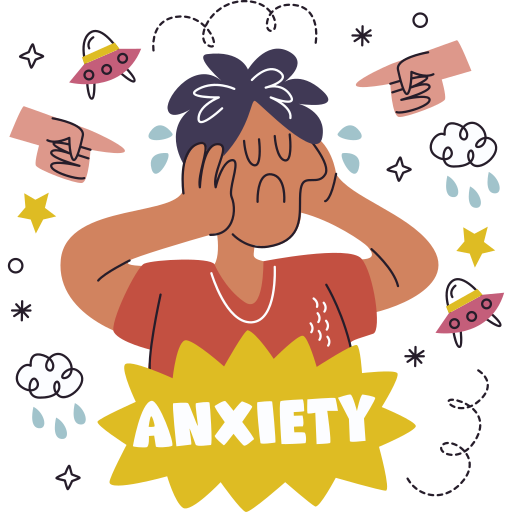
What is Anxiety?
Anxiety is a natural and often beneficial response to stress or danger, helping us stay alert and focused. However, when anxiety becomes excessive, persistent, and interferes with daily life, it can be debilitating. Anxiety disorders are among the most common mental health conditions, affecting millions of people worldwide.
Common Symptoms of Anxiety Anxiety can manifest in various ways, including:
- Emotional Symptoms: Persistent worry, fear, and apprehension.
- Physical Symptoms: Increased heart rate, muscle tension, sweating, headaches, and gastrointestinal issues.
- Behavioral Symptoms: Avoidance of anxiety-provoking situations, restlessness, and difficulty concentrating.
- Cognitive Symptoms: Racing thoughts, catastrophizing, and intrusive worries.
The Role of Counseling in Anxiety Management Counseling therapy provides a supportive and structured environment to address anxiety, offering tools and strategies to manage and reduce its impact. Here’s how counseling can help:
- Identifying Triggers: Counseling helps individuals identify the specific triggers and underlying causes of their anxiety. Understanding these factors is the first step in developing effective coping strategies.
- Cognitive-Behavioral Techniques: Therapists use cognitive-behavioral therapy (CBT) to help clients challenge and change unhelpful thought patterns and behaviors that contribute to anxiety. CBT is one of the most effective treatments for anxiety disorders.
- Relaxation Strategies: Counseling can teach various relaxation techniques, such as deep breathing, progressive muscle relaxation, and mindfulness meditation, which can help manage physical symptoms of anxiety.
- Exposure Therapy: For certain types of anxiety, such as phobias or social anxiety, exposure therapy can be beneficial. This involves gradual, controlled exposure to anxiety-provoking situations to reduce fear and avoidance behaviors.
- Building Resilience: Counseling supports individuals in building resilience and developing a stronger sense of self-efficacy. This empowers them to handle stress and anxiety more effectively in the future.
- Emotional Support: Having a safe space to talk about anxieties and fears without judgment provides emotional relief and validation. This support can significantly reduce feelings of isolation and helplessness.
Supervision Therapy for Treating Anxiety For mental health professionals working with clients who suffer from anxiety, supervision therapy offers crucial support and professional development. Here’s how supervision can benefit therapists:
- Clinical Guidance: Supervision provides a platform to discuss challenging cases and receive feedback on treatment approaches. This guidance ensures that therapists are using the most effective strategies for treating anxiety.
- Skill Enhancement: Through supervision, therapists can refine their skills and stay updated on the latest research and techniques in anxiety treatment, such as advancements in CBT, exposure therapy, and mindfulness-based interventions.
- Emotional Support: Working with clients who have severe anxiety can be demanding. Supervision offers therapists emotional support, helping them manage their own stress and prevent burnout.
- Ethical Practice: Supervision ensures that therapists adhere to ethical standards in their practice, including maintaining client confidentiality, managing boundaries, and providing the highest standard of care.
- Reflective Practice: Regular supervision encourages therapists to engage in reflective practice, allowing them to gain insights into their therapeutic methods and improve their effectiveness in treating anxiety.
Contact Us If you’re struggling with anxiety or if you’re a therapist seeking supervision, we’re here to help. Our experienced counselors and supervisors provide compassionate, evidence-based support tailored to your unique needs. Contact us today to learn more about our services and take the first step towards a calmer, more confident life.
Porro deleniti apeirian mea at, nostro referrentur an mei. Wisi alienum ullamcorper ea duo
“Ut wisi enim ad minim veniam, quis nostrud exerci tation ullamcorper suscipit lobortis nisl ut aliquip ex ea commodo consequat. Duis autemvel eum iriure dolor in hendrerit in vulputate velit esse molestie consequat, vel illum dolore.”
Simona & Michael