
Support for individuals
Understanding Stress
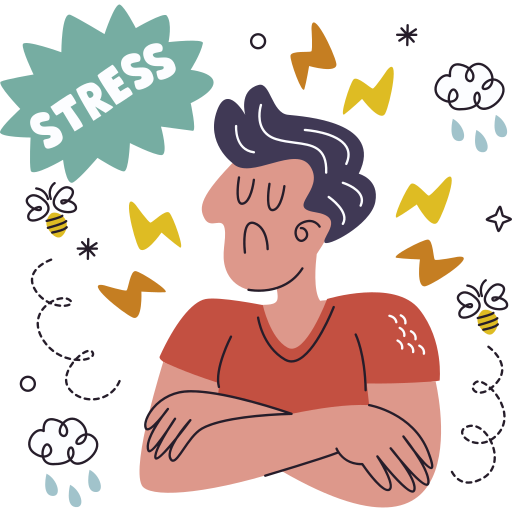
Stress is a natural response to challenges or demands in life, triggering a range of physical, emotional, and cognitive reactions. While some stress can be motivating and help us perform under pressure, prolonged or excessive stress can have detrimental effects on our mental and physical well-being.
Common Symptoms of Stress Stress can manifest in various ways, including:
- Physical Symptoms: Headaches, muscle tension, fatigue, sleep disturbances, and gastrointestinal issues.
- Emotional Symptoms: Anxiety, irritability, mood swings, and feelings of overwhelm.
- Cognitive Symptoms: Difficulty concentrating, racing thoughts, constant worrying, and memory problems.
- Behavioral Symptoms: Changes in appetite, increased use of alcohol or drugs, social withdrawal, and procrastination.
The Role of Counseling in Stress Management Counseling therapy offers a supportive and empowering environment to explore the underlying causes of stress, develop coping strategies, and build resilience. Here’s how counseling can help:
- Identifying Stressors: Counseling helps individuals identify the specific stressors in their lives, whether they are related to work, relationships, or personal challenges. Understanding these triggers is the first step in managing stress effectively.
- Developing Coping Strategies: Therapists work with individuals to develop personalized coping strategies to manage stress and build resilience. This may include relaxation techniques, mindfulness practices, assertiveness training, and time management skills.
- Addressing Unhealthy Coping Mechanisms: Counseling helps individuals recognize and address unhealthy coping mechanisms such as avoidance, substance use, or overeating, which can exacerbate stress in the long run.
- Promoting Self-Care: Counseling encourages individuals to prioritize self-care activities that nourish their physical, emotional, and spiritual well-being. This may include exercise, hobbies, social connections, and relaxation practices.
- Changing Perspectives: Counseling supports individuals in reframing their thoughts and beliefs about stress, empowering them to adopt a more resilient mindset and approach challenges with greater adaptability and optimism.
Supervision Therapy for Stress Management For mental health professionals working with clients struggling with stress, supervision therapy offers essential support and professional development. Here’s how supervision can benefit therapists:
- Case Consultation: Supervision provides a platform to discuss challenging cases involving stress management, allowing therapists to receive feedback and develop effective treatment strategies.
- Skill Enhancement: Through supervision, therapists can enhance their skills in stress management interventions, staying informed about the latest research and best practices in stress reduction.
- Self-Reflection: Regular supervision encourages therapists to reflect on their own experiences of stress and identify areas for self-care and personal growth.
- Emotional Support: Supervision offers therapists a supportive space to process their own experiences of stress, reducing feelings of burnout and compassion fatigue.
- Professional Development: Supervision helps therapists stay updated on the latest developments in stress management techniques and ensures they can provide the highest standard of care to their clients.
Contact Us If you’re struggling with stress or if you’re a therapist seeking supervision, we’re here to help. Our experienced counselors and supervisors provide compassionate, evidence-based support tailored to your unique needs. Contact us today to learn more about our services and take the first step towards a healthier, more balanced life.